When we think about careers in aviation, the first things that come to mind are technical expertise, knowledge of air regulations, and flight operations. But there’s another equally vital component that often goes unnoticed — soft skills.
At SkyRange Aviation Academy, we believe that mastering soft skills is just as important as learning aviation theory. Whether you're working as cabin crew, ground staff, or in customer service, your ability to communicate, empathize, and manage situations professionally can set you apart in the competitive aviation world.
What Are Soft Skills?
Soft skills refer to your personal attributes — how you interact with others, handle pressure, communicate, solve problems, and work in a team. These are non-technical skills but are essential in service-based industries like aviation.
Why Are Soft Skills Crucial in Aviation?
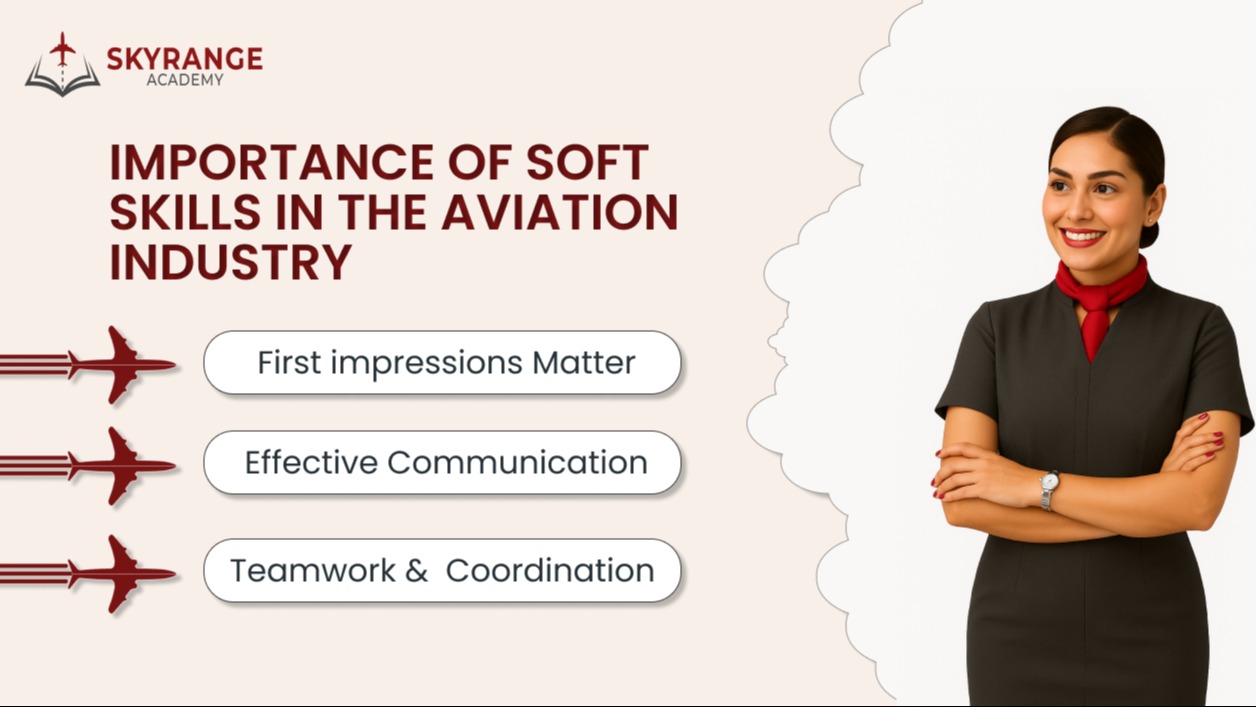
1. First Impressions Matter
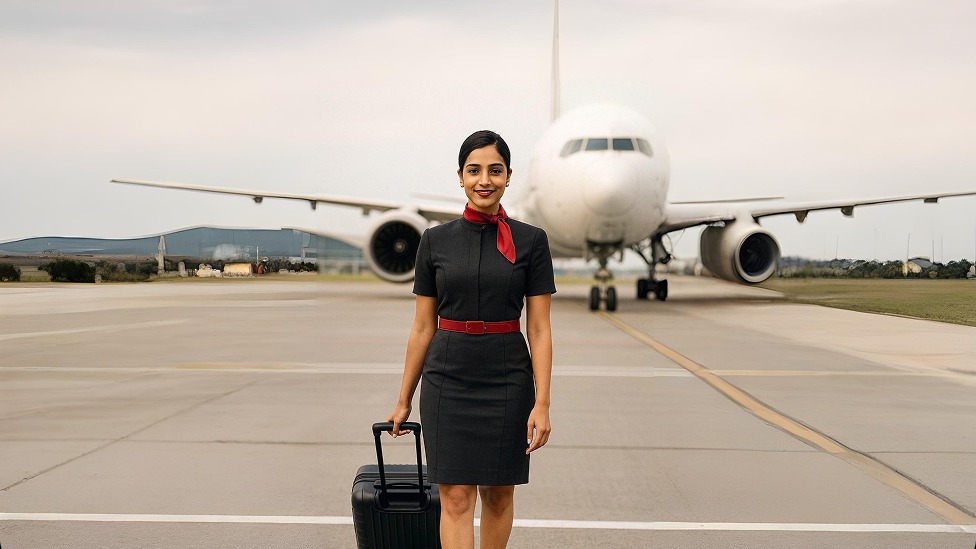
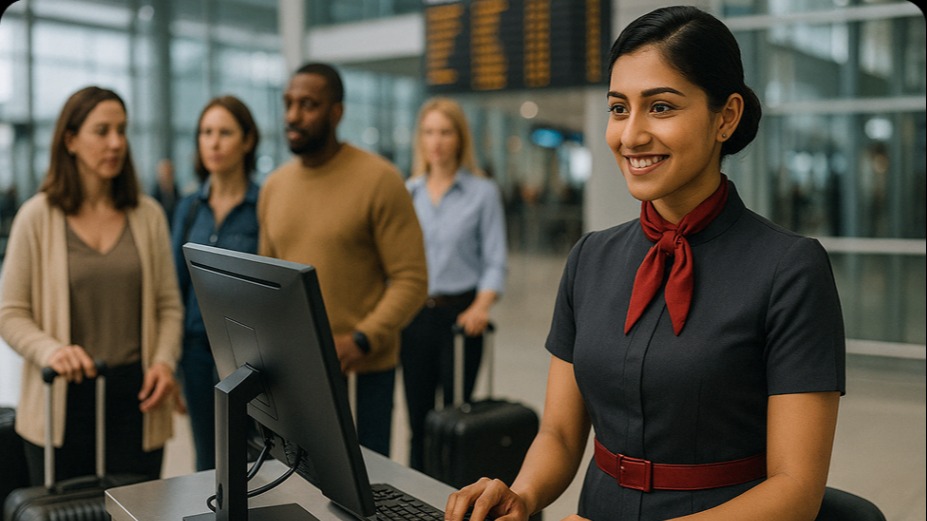
Aviation is a customer-facing industry. Cabin crew, ground staff, and even technical teams often interact with passengers. A warm smile, polite tone, and helpful attitude leave a lasting impression.
2. Effective Communication
Clear communication avoids misunderstandings and ensures safety and comfort. Whether it’s making announcements or handling a conflict calmly, communication is key.
3. Teamwork and Coordination
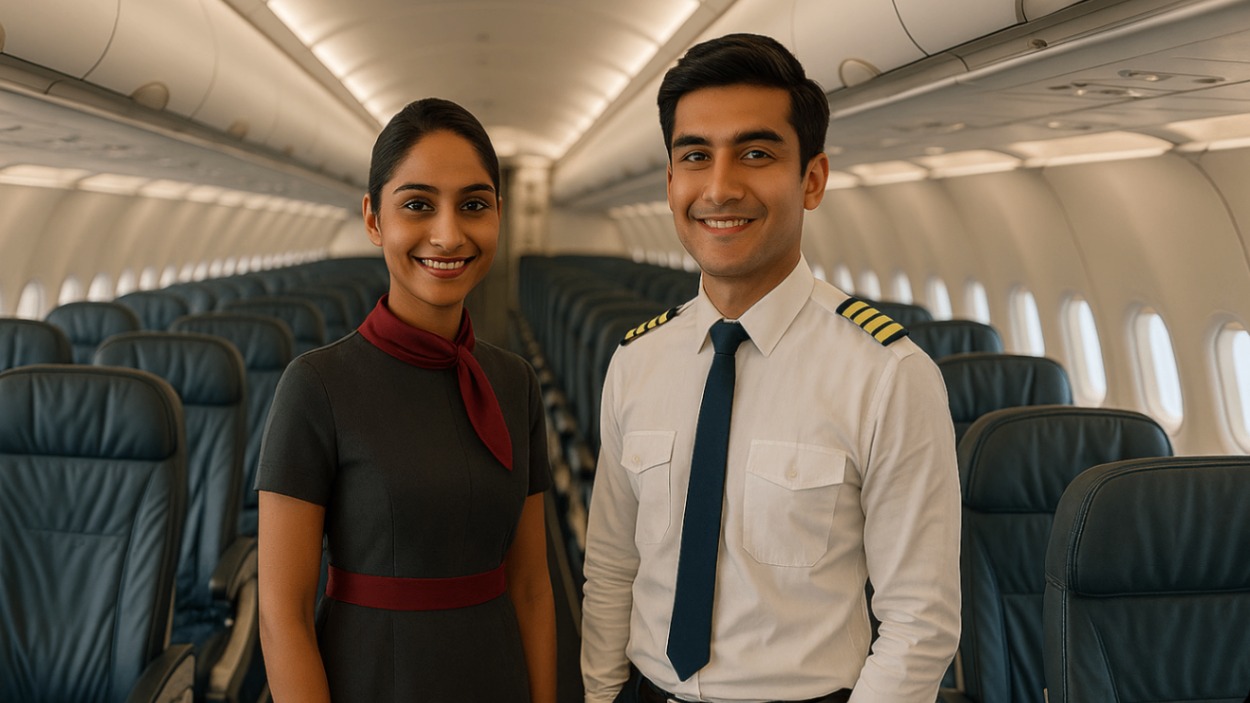
Flights operate because of seamless teamwork — between pilots, ATC, ground staff, and cabin crew. Soft skills like collaboration, active listening, and flexibility are essential.
4. Handling Pressure
Flight delays, weather issues, or emergency situations demand professionals who can stay calm and think clearly. Emotional intelligence and problem-solving help in such scenarios.
5. Customer Satisfaction
In aviation, customer experience defines the brand. Polite, respectful, and empathetic staff contribute directly to passenger satisfaction and loyalty.
How SkyRange Prepares You
At SkyRange Aviation Academy, our training is not limited to technical subjects. We integrate soft skill development into every course — including modules on:
- Communication & body language
- Conflict resolution
- Leadership & team dynamics
- Time management & grooming
- Confidence building & interview etiquette
We conduct mock interviews, real-time roleplays, and interactive sessions to ensure our students are ready for real-world challenges.
The Sky Is Not the Limit — It’s Just the Beginning!
If you dream of a high-flying career, remember: airlines don’t just hire qualifications, they hire personalities. And soft skills are what define your professional personality.
At SkyRange Aviation Academy, we help you grow not just as a student, but as a confident, competent professional ready to soar.
Ready to boost your career with the right mix of skills?
Join SkyRange and experience aviation training that goes beyond textbooks.